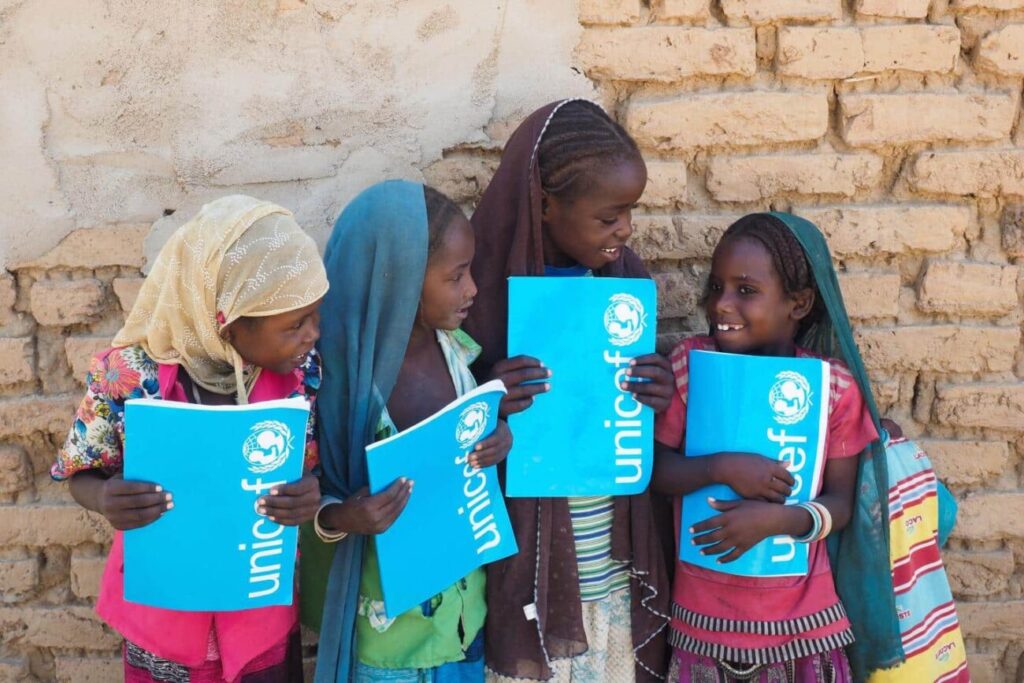
UNICEF’s latest warning is a sobering one: by 2026, global education aid could fall by $3.2 billion, a decline that might force 6 million more children out of school. This isn’t just a budgetary adjustment — it’s a direct blow to the future of entire communities.
The greatest impact will be felt in regions already stretched to the breaking point: humanitarian crisis zones, and fragile education systems across West and Central Africa. These are places where classrooms are often the only spaces of stability, safety, and hope for children who have known little else but conflict and poverty.
Education is not charity; it is an investment in resilience, security, and prosperity. Every child denied access to learning is a missed opportunity — for better health, stronger economies, and more peaceful societies. Yet as global challenges multiply, governments and donors appear to be turning away from the very foundation needed to confront them.
UNICEF’s message is simple but urgent: education must be protected, even in times of crisis. Cutting back now risks creating a “lost generation” — millions of young people locked out of opportunity, their potential wasted, their societies weakened.
About the Author